About
THREE CONTINENTS, IN THE ORDER THEY HAPPENED
I spent years being very good at acquisition. Then I realised acquisition was the wrong thing to be obsessed with.
At Knowunity I helped grow an ed-tech app from 2 million to 8 million users in a year. I was so focused on getting people in that I barely looked at what happened after they arrived. That turned out to be the most useful lesson of my career, and most of what I care about now sits on the other side of it: activation, follow-up, retention, advocacy, expansion.
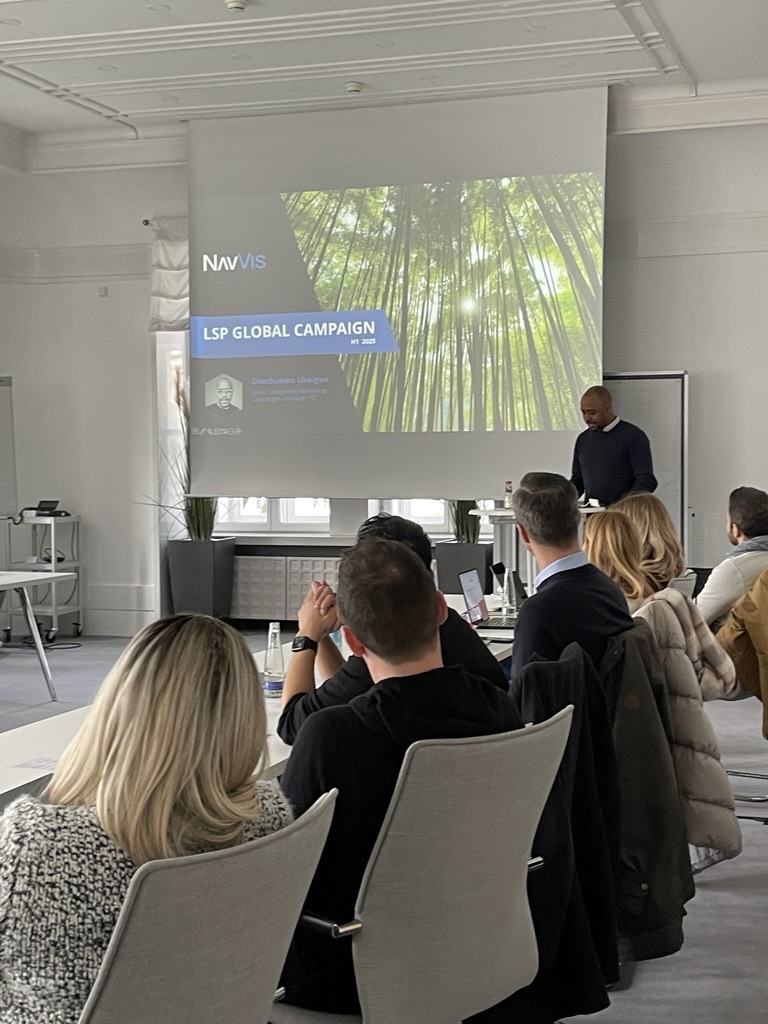
How I got here
My career has run across three continents: Africa, Europe and North America. It started in Nigeria, around 2015, at an agency, then a few years across very different startups: Treepz, the Uber-for-buses startup now based in Canada; PropertyPro, a property marketplace; Farmcrowdy, an agritech platform. Four business models in a short space of time. It was a faster education than four years at one company would have been, and it’s why I’m sceptical of playbooks that claim to work everywhere.
Alongside all that, I started EasyMovers, a moving company in Lagos. It began as a website and a deal with drivers who already had trucks: brand them, put them in our t-shirts, train them, take a margin on the job. Once we knew the margin worked, we raised investment and bought our own trucks. Three co-founders joined along the way, and the company was acquired before I left Nigeria.

Then Career Masterclass, a UK education company, remote like most of the team. I came in as a growth consultant, built a product-led activation journey for the platform, and drove registrations and payment for their flagship STRETCH conference. They brought me in-house full time. That was my first full-time role outside Nigeria.
Germany came next. At 100Task I led growth for a company selling packaged training to founders, which is where I learned that the same product at three price points behaves like three different sales motions, not one funnel. At Masterplan my B2B thinking got a lot more rigorous: forecasting before the quarter starts, honest attribution, and feedback loops built from closed-won and closed-lost reasons read together with sales. I also ended up teaching the sales team ABM, and the collaboration it actually takes to run it.
After that, Knowunity: hypergrowth, multiple market launches, and a creator engine built out of what customers actually said in app reviews.
Today I’m at NavVis, working on demand generation and integrated campaigns: inbound pipeline through paid, organic, influencer marketing and trade media. Influencer marketing inside a B2B remit is unusual. It’s a lever I ran at consumer scale before, and it turns out to travel.
How I work
I diagnose before I prescribe. I look for signals in the places people ignore: customer reviews, closed-lost reasons, old CRM records, internal reports nobody reads. Most of my best work has come from noticing something that was already there and giving it somewhere to go.
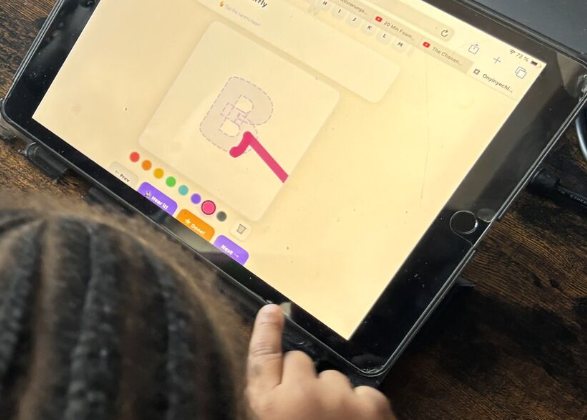
I care about clarity before activity. I’m not an engineer, but AI has made that much less of a limitation than it used to be. When the tool I need doesn’t exist, I build the ugly first version myself: a budgeting model for LinkedIn Ads, an account research tool for prospecting, a small learning app built around my kids’ own learning plans.
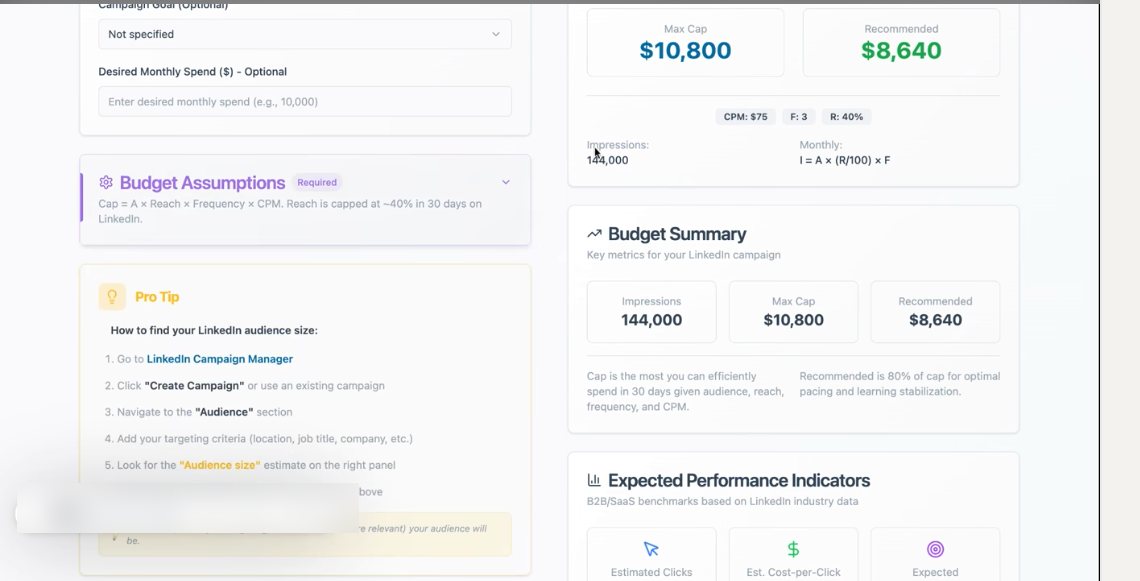
That has changed how I think about go-to-market more than any framework has. When the gap between an idea and a working version is one evening rather than one quarter, you stop arguing about whether something will work and go and find out.
Say hello
I enjoy meeting curious people: marketers, founders, operators, builders, anyone thinking properly about growth and go-to-market.
I write Okey’s Notes: growth, go-to-market, and whatever else I am working out. No schedule, no spam.